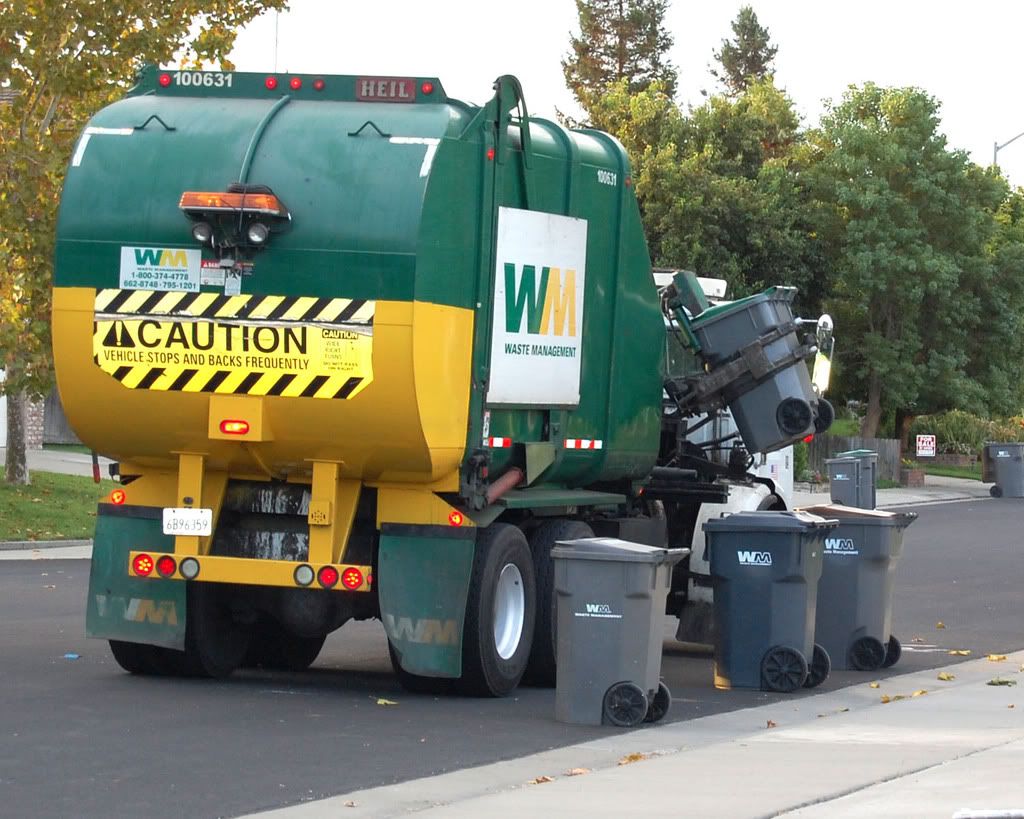
Recycling involves the collection of used and discarded materials processing these materials and making them into new products. It reduces the amount of waste that is thrown into the community dustbins thereby making the environment cleaner and the air more fresh to breathe.
Surveys carried out by Government and non-government agencies in the country have all recognized the importance of recycling wastes. However, the methodology for safe recycling of waste has not been standardized. Studies have revealed that 7 %-15% of the waste is recycled. If recycling is done in a proper manner, it will solve the problems of waste or garbage. At the community level, a large number of NGOs (Non Governmental Organizations) and private sector enterprises have taken an initiative in segregation and recycling of waste (EXNORA International in Chennai recycles a large part of the waste that is collected). It is being used for composting, making pellets to be used in gasifiers, etc. Plastics are sold to the factories that reuse them.
The steps involved in the process prior to recycling include
a) Collection of waste from doorsteps, commercial places, etc.
b) Collection of waste from community dumps.
c) Collection/picking up of waste from final disposal sites.
| Some items that can be recycled or reused | |
| Paper | Old copies Old books Paper bags Newspapers Old greeting cards Cardboard box |
| Plastic | Containers Bottles Bags Sheets |
| Glass and ceramics | Bottles Plates Cup Bowls |
| Miscellaneous | Old cans Utensils Clothes Furniture |
Most of the garbage generated in the household can be recycled and reused. Organic kitchen waste such as leftover foodstuff, vegetable peels, and spoilt or dried fruits and vegetables can be recycled by putting them in the compost pits that have been dug in the garden. Old newspapers, magazines and bottles can be sold to the kabadiwala the man who buys these items from homes.
In your own homes you can contribute to waste reduction and the recycling and reuse of certain items. To cover you books you can use old calendars; old greeting cards can also be reused. Paper can also be made at home through a very simple process and you can paint on them.
The schematic diagram below depicts recycling of wastes
Source: CPCB Report on Management of Muncipal Solid Waste |

Waste recycling has some significant advantages. It
 leads to less utilization of raw materials.
reduces environmental impacts arising from waste treatment and disposal.
makes the surroundings cleaner and healthier.
saves on landfill space.
saves money.
reduces the amount of energy required to manufacture new products.
In fact recycling can prevent the creation of waste at the source.